









































How to Cut Meat Against the Grain for Tender, Juicy Results
Most home cooks focus on seasoning, heat, and timing when preparing meat. But there is one technique that can completely change the eating experience, and it happens after the cooking is done. Knowing how to cut meat against the grain is one of the simplest ways to turn a tough, chewy piece of meat into something noticeably more tender. Whether you are working with a flank steak, brisket, or a simple chicken breast, the direction of your cut matters more than most people realize.
This guide will walk you through everything you need to know, from identifying the grain to slicing with precision and selecting the right knife for the job.
What Is the Grain of Meat and Why Does It Matter?

The grain of meat refers to the direction in which muscle fibers run through a cut. If you look closely at a piece of raw steak, you will notice long, parallel lines running in one direction across the surface. Those lines are the grain.
Understanding the steak grain and how it affects meat texture is the foundation of proper slicing technique. Muscle fibers are tough by nature. They are what holds the animal's body together and keeps it moving. When you eat a slice of meat, you are chewing through those fibers. The question is whether you are chewing through long, intact fibers or short, already-interrupted ones.
Why You Should Cut Meat Against the Grain
When you slice against the grain, you cut across the muscle fibers rather than along them. This shortens each fiber in the slice you are eating, making the meat noticeably easier to chew and more pleasant to eat.
When you cut with the grain instead, each bite contains long, intact muscle fibers running the full length of the slice. The result is chewy, stringy meat that takes more effort to break down. This is the most common mistake people make, and it is entirely avoidable.
The difference between cutting with the grain vs cutting against the grain is not subtle. The same piece of meat sliced two different ways can taste like two entirely different dining experiences. Against-the-grain steak is genuinely more tender, not because of anything you did while cooking it, but simply because of how you chose to slice it.
How to Find the Grain of Meat Before Cutting

Learning how to find the grain of meat is straightforward once you know what to look for. Before you pick up your knife, take a moment to examine the surface of the meat.
Look for long, parallel lines or striations running in one consistent direction. These are the muscle fibers, and they indicate the grain. On a raw piece of meat, the lines are usually easier to see because the surface has more definition. Once cooked, the grain can still be identified, though it may take a closer look.
Knowing how to tell the grain of meat also means understanding that grain direction is not universal. It varies by cut. A flank steak, for example, has very visible and consistent grain running the length of the cut. A brisket may have grain that shifts direction partway through. Getting in the habit of checking before you slice will save you from a chewy result every time.
Step-by-Step Guide: How to Cut Meat Against the Grain Properly

-
Identify the Direction of the Grain
Before making any cuts, look at the surface of the meat and locate the muscle fibers. You are looking for the direction those lines run. Once you see them clearly, you know exactly which way to orient your knife.
-
Let the Meat Rest After Cooking
This step is often skipped, and it makes a real difference. Resting cooked meat for five to ten minutes before slicing allows the juices to redistribute throughout the cut. If you slice too soon, those juices run out onto the cutting board instead of staying in the meat. Resting also makes the meat slightly firmer, which allows for cleaner, more even slices.
-
Position the Knife Perpendicular to the Grain
This is the key technique. Once you have identified the grain direction, turn your knife so that the blade is running perpendicular to those muscle fiber lines. If the fibers run left to right, your knife should be angled top to bottom. This ensures each slice cuts across the fibers rather than following them.
-
Slice Thin and Even Pieces
Thin slices improve tenderness further because they naturally contain fewer fibers per bite. Aim for slices that are roughly a quarter inch thick, using a smooth, controlled motion rather than a sawing back-and-forth action. Let the sharpness of the blade do the work.
-
Check Texture and Adjust if Needed
After your first few slices, take a moment to check the texture. The meat should pull apart easily and feel tender when you press it lightly. If it still feels tough or stringy, you may be cutting with the grain instead of against it. Rotate the meat and try again from the correct angle.
Best Knives for Cutting Meat Cleanly
The right knife makes a noticeable difference in the quality of your slices. A dull knife drags and tears through meat rather than cutting cleanly, which damages the fibers and produces uneven, ragged slices.
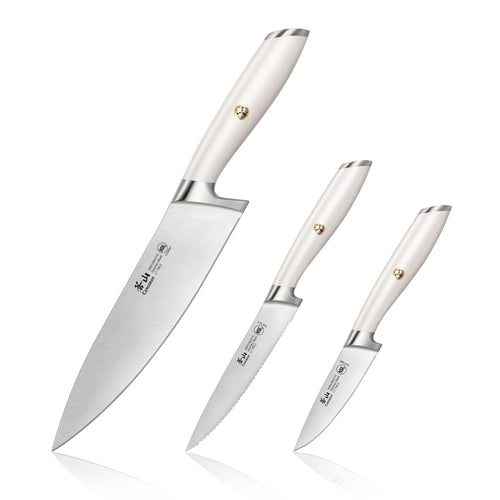
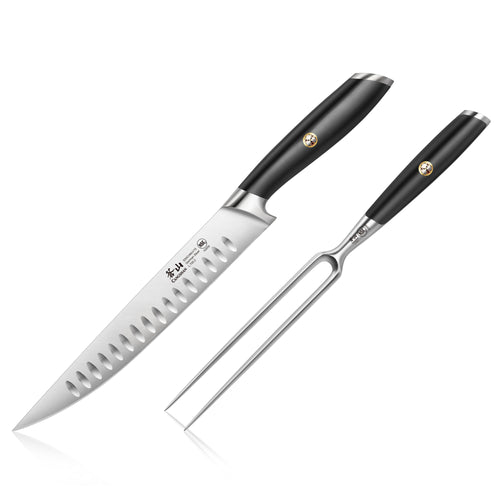
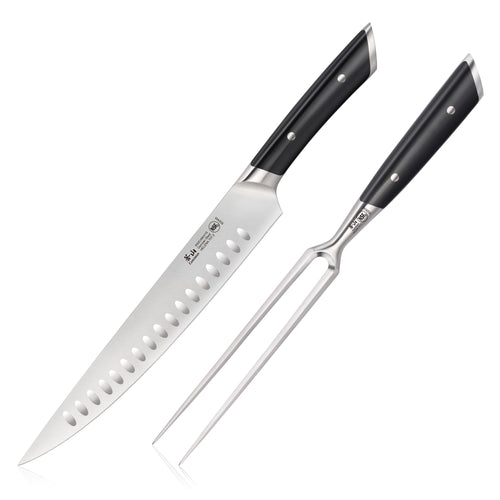
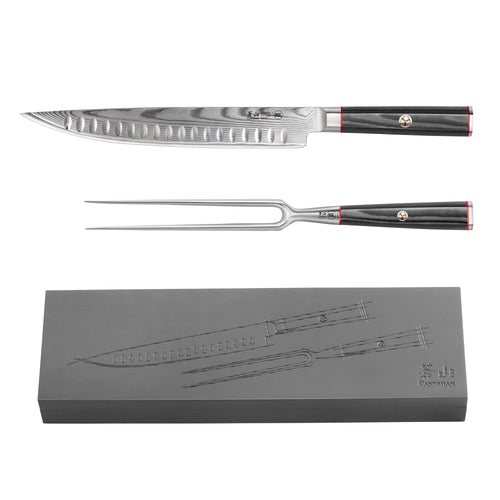
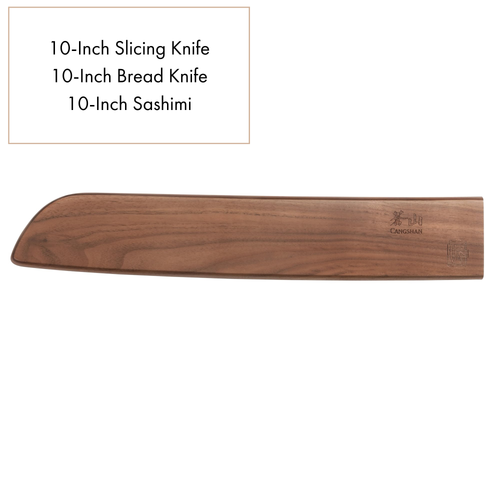
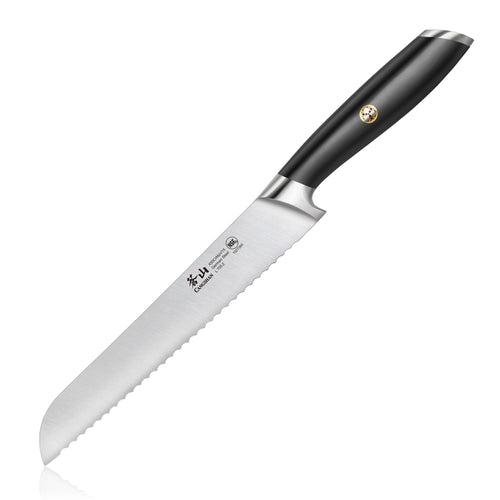
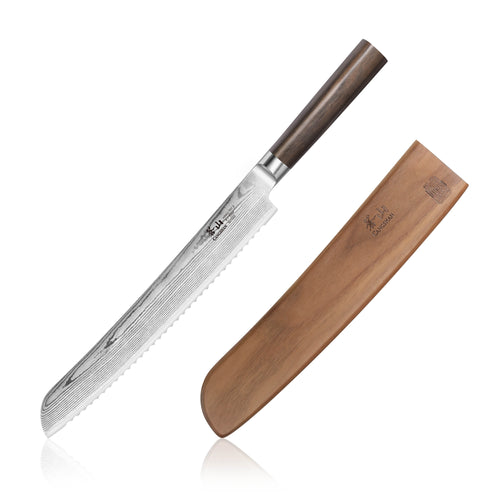
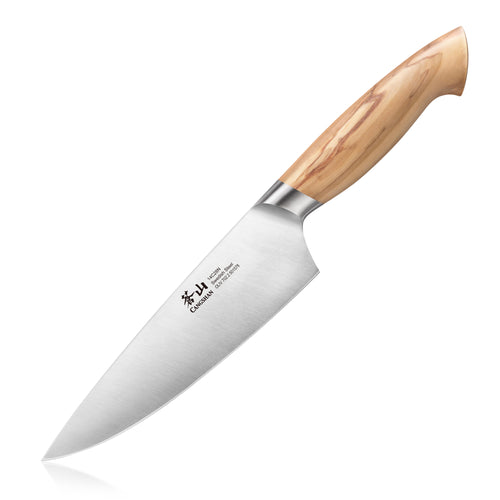
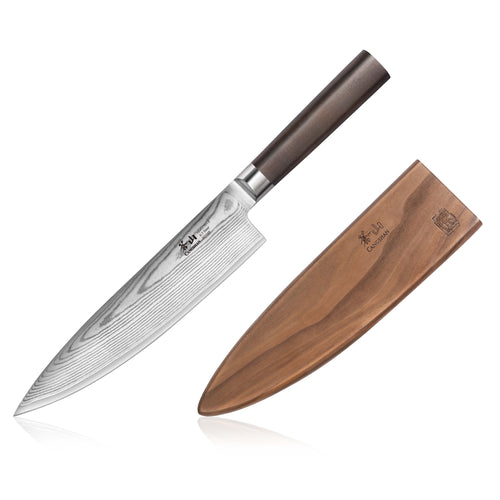
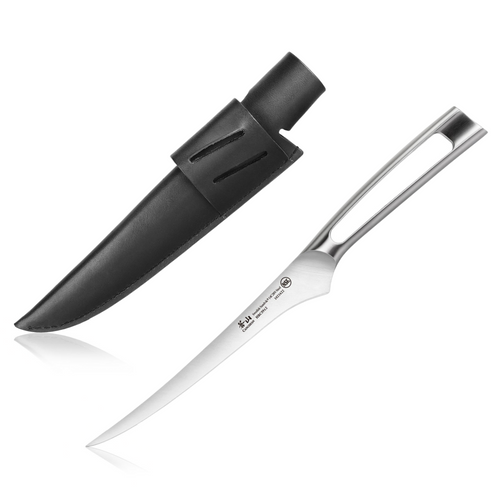
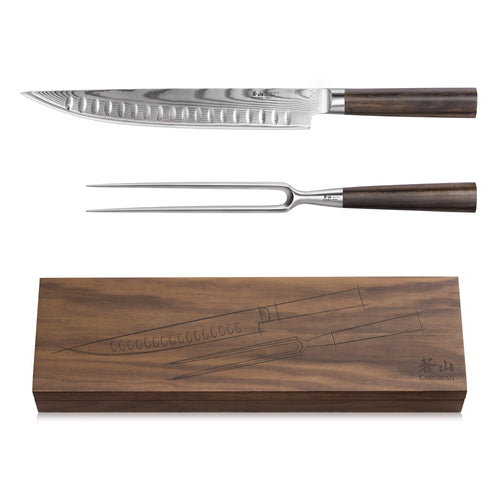
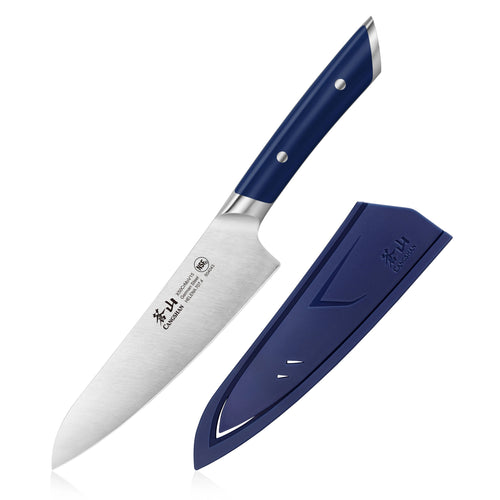
A good chef's knife is a versatile choice for most everyday cuts of meat. For larger roasts and sliced beef dishes, a slicing knife for meat is the better tool. These knives feature long, thin blades designed specifically for smooth, single-motion slicing. The added blade length allows you to slice through even a large brisket or roast in one pass, which produces cleaner edges and more consistent results. A carving knife fills a similar role and is especially well-suited to bone-in cuts and whole roasts at the table.
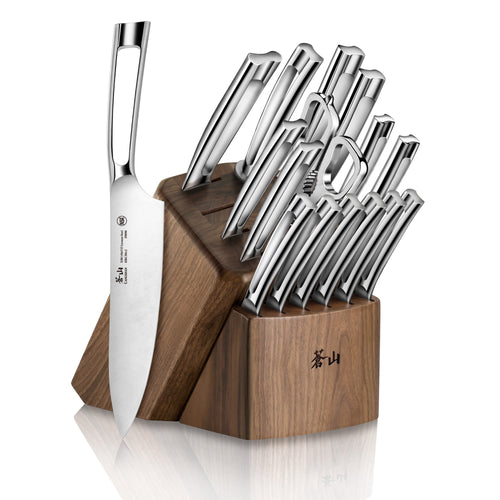
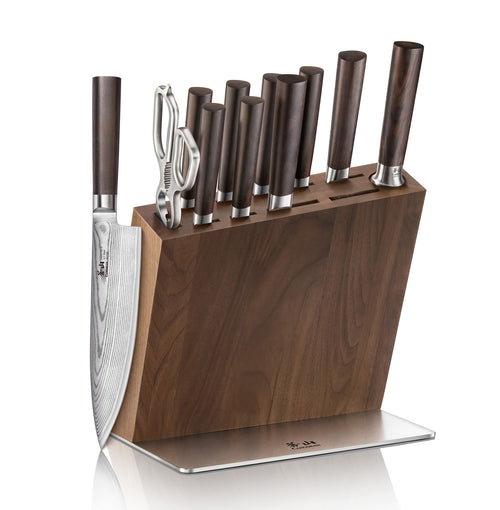
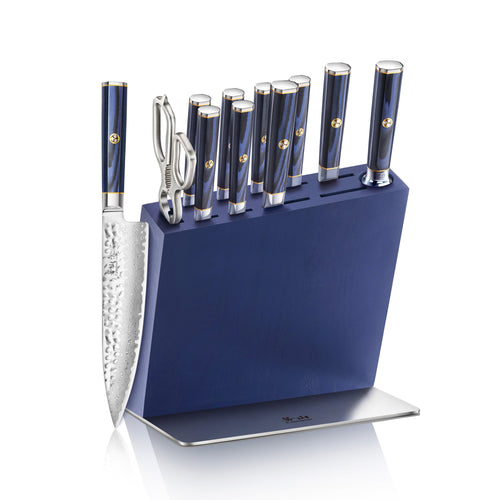
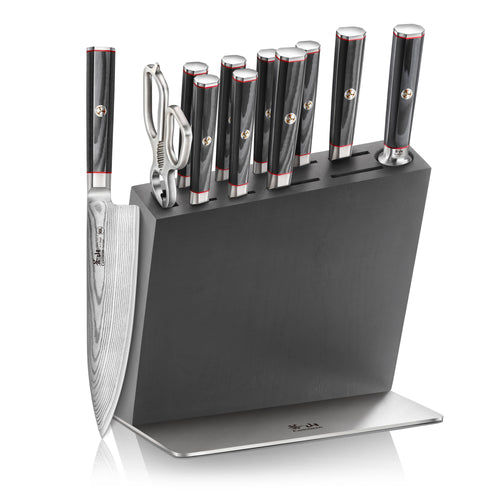
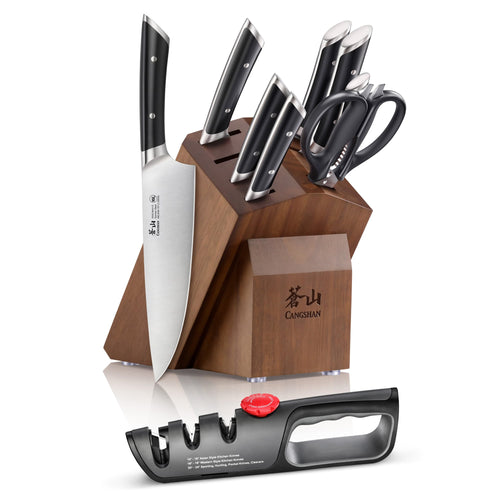
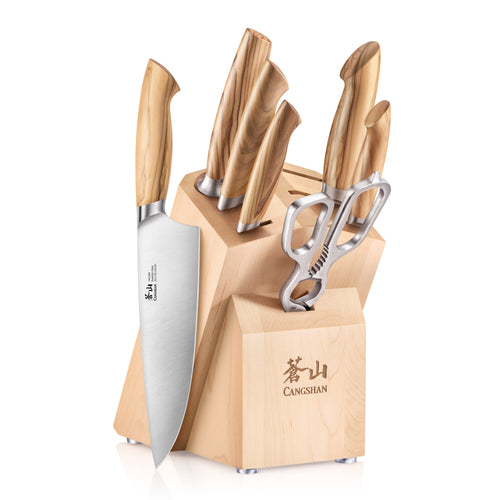
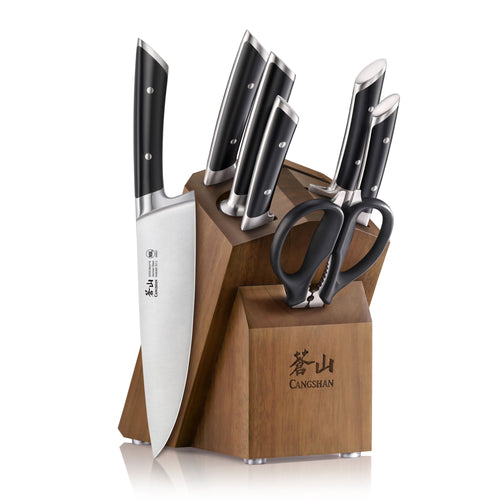
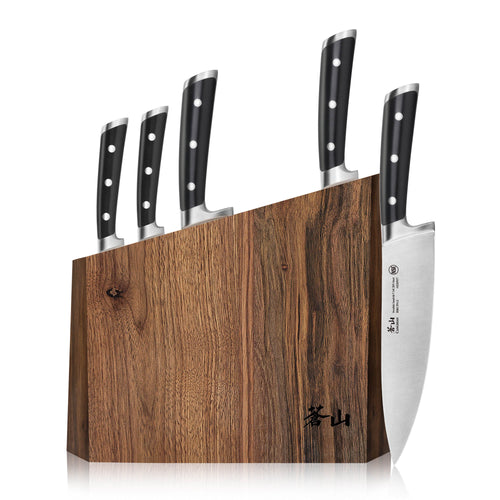
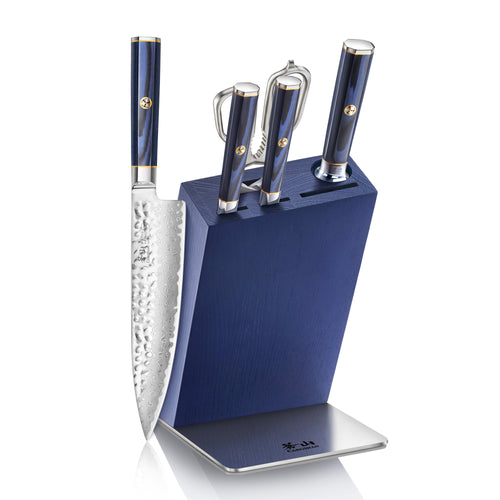
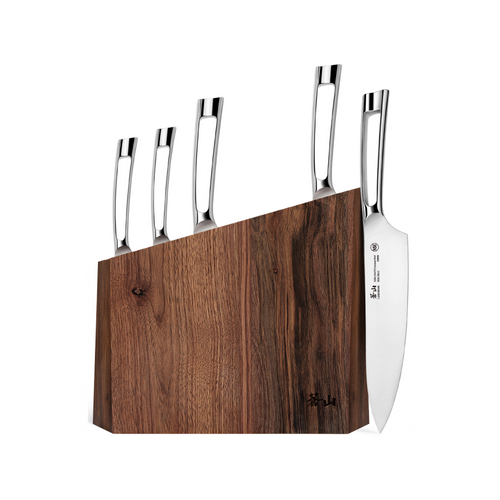
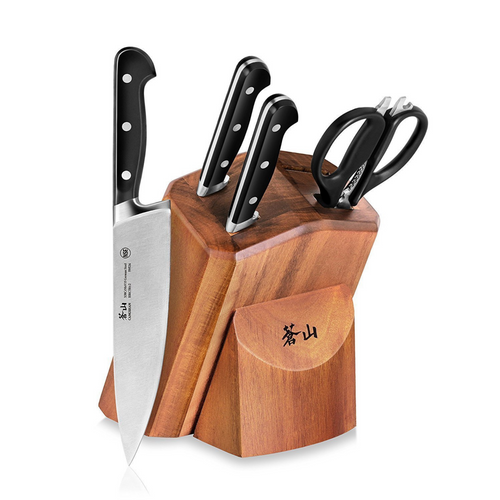
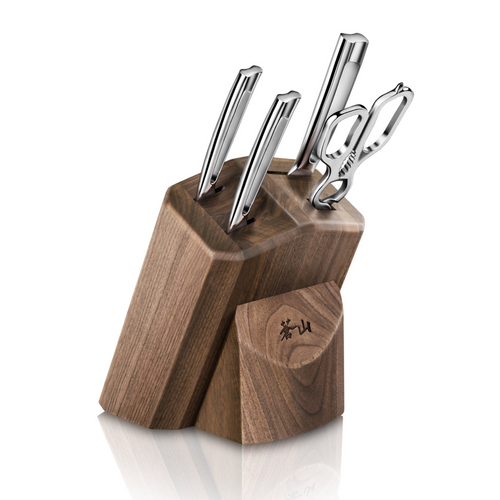
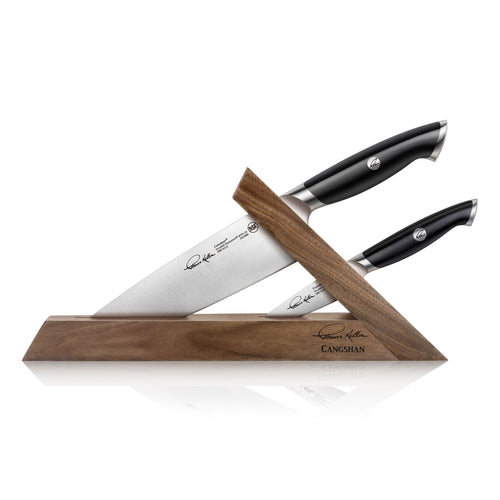
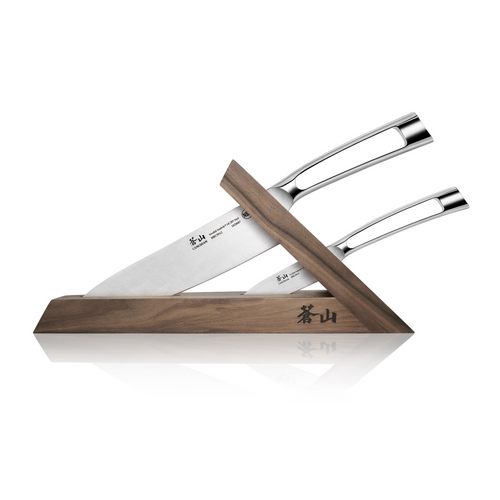
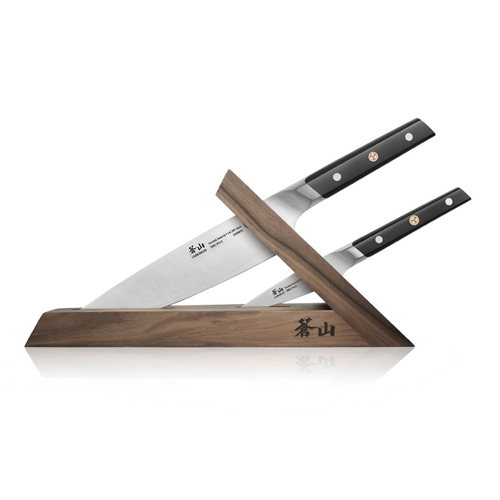
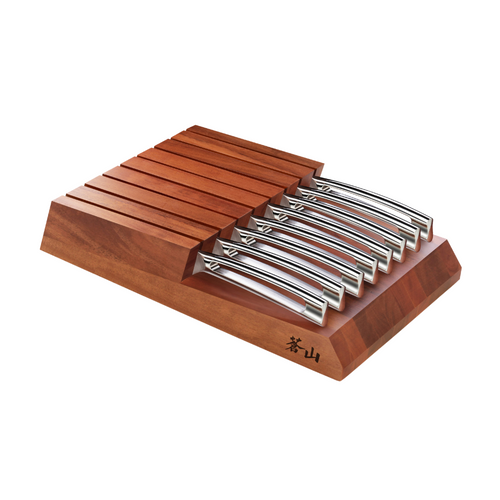
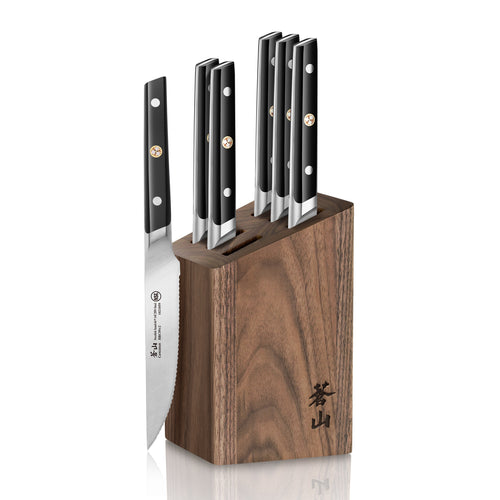
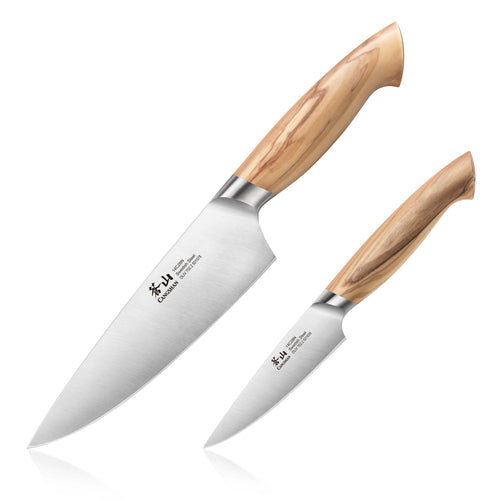
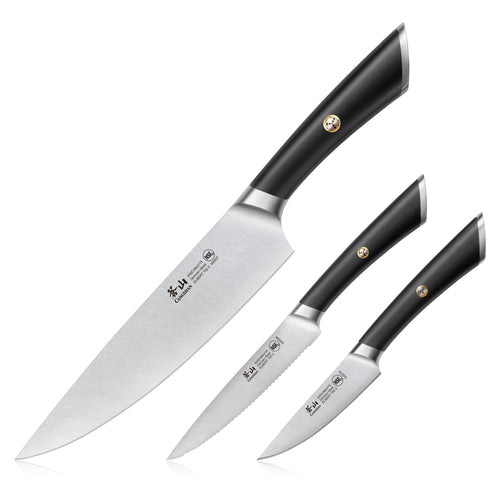
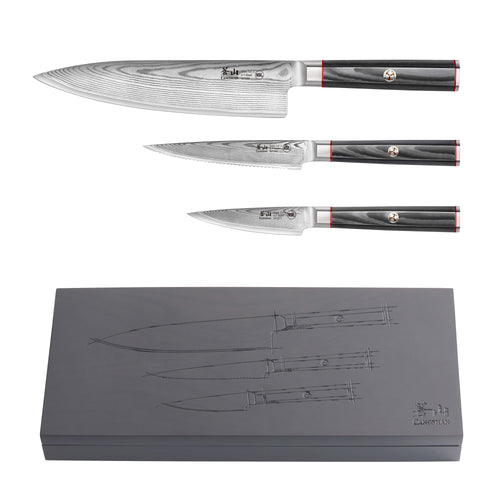
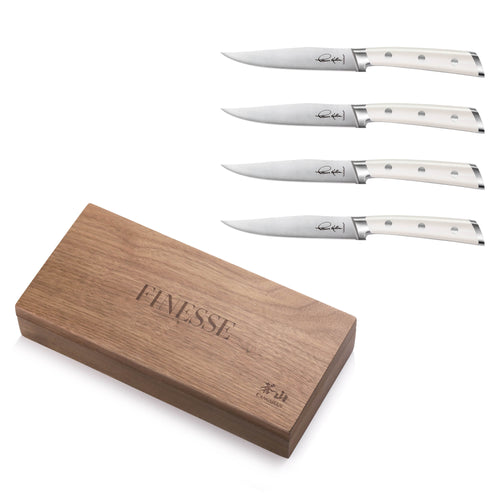
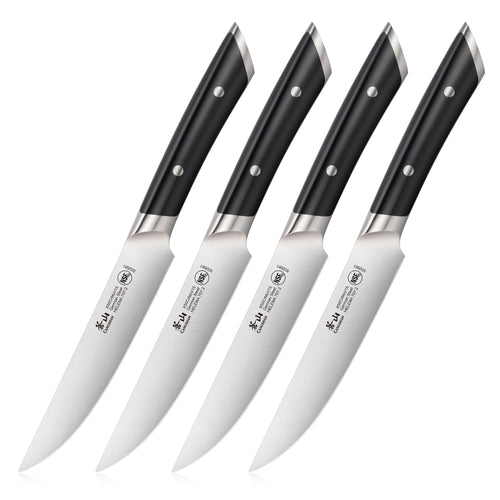
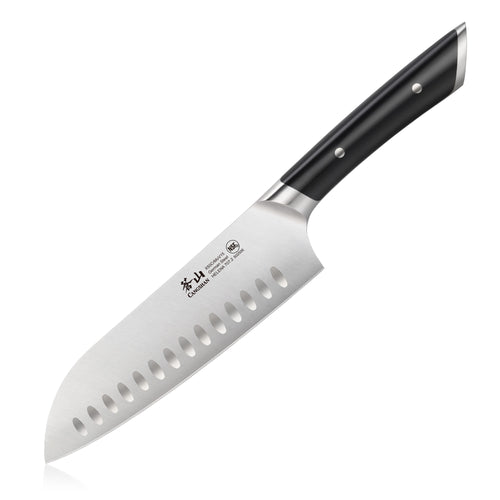
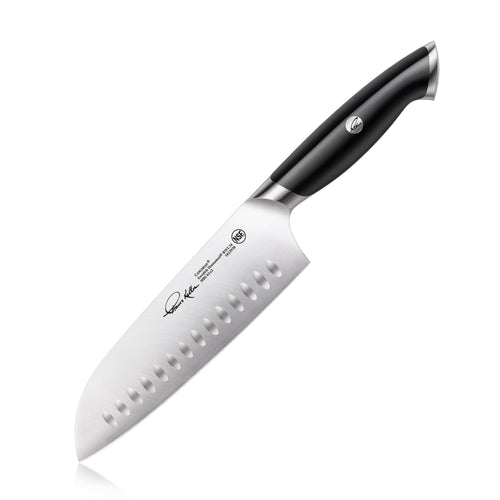
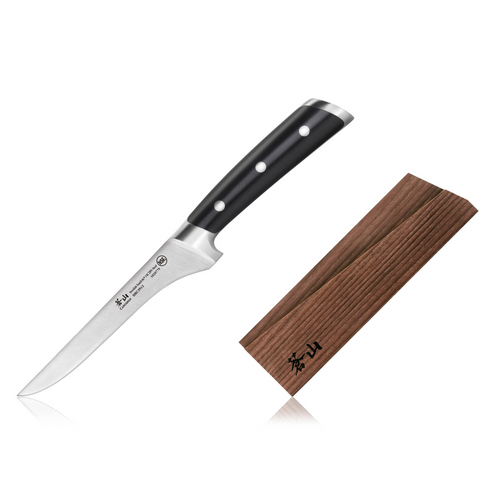
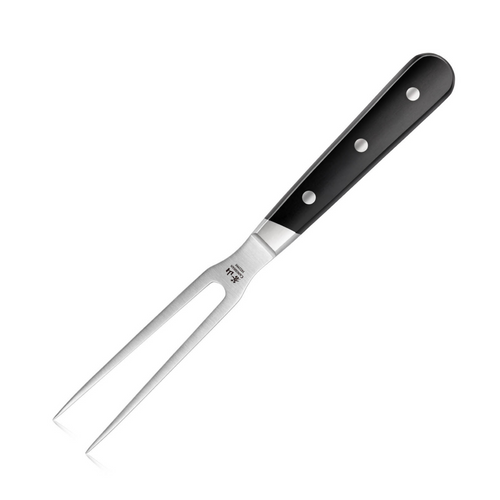
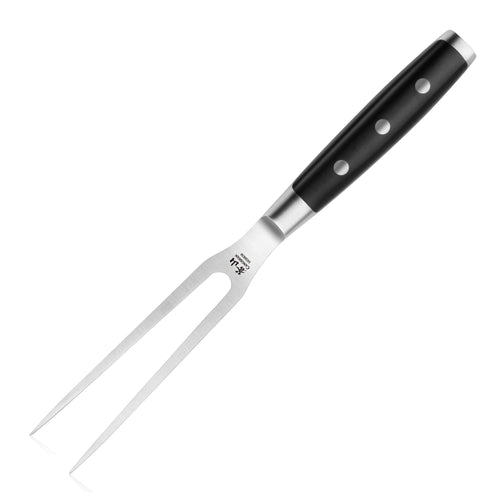
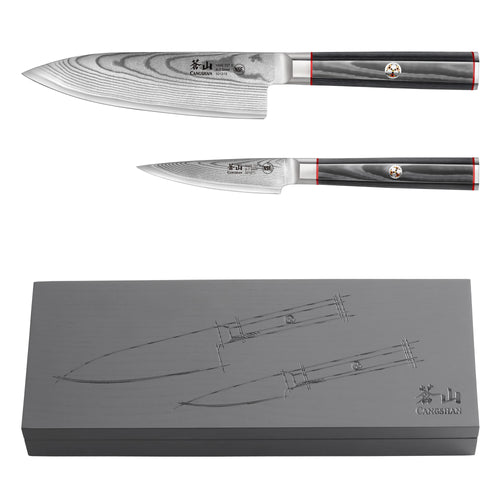
At Cangshan, our slicing and carving knives are designed with precision and balance in mind, giving you the control needed to slice confidently whether you are a seasoned home cook or just starting to develop your knife skills.
How to Cut Different Types of Meat Against the Grain
Steak
Most steaks have a clearly visible and fairly consistent grain. Cuts like flank steak, skirt steak, and ribeye are especially important to slice against the grain because their muscle fibers tend to be long and pronounced. For flank and skirt in particular, cutting with the grain produces noticeably tougher results, while slicing against it transforms the same piece of meat into something far more tender.
Chicken
Chicken has softer grain than beef, but the directionality is still there. Look for the subtle striations running along each breast or thigh and position your knife accordingly. Slicing against the grain gives chicken a more pleasant, less stringy texture that works especially well for dishes where the meat is served sliced or in strips.
Brisket
Brisket is one of the most important cuts to slice correctly, and it is also one of the trickier ones. The grain direction can change as you move across the flat and the point sections of the brisket. Always pause when you transition between sections and recheck the grain before continuing. Taking that extra moment pays off significantly in the final texture.
Common Mistakes to Avoid When Cutting Meat
Cutting with the grain is the most common error, but it is far from the only one. Using a dull knife is a close second. A blade that cannot glide cleanly through the meat forces you to apply pressure and drag, which compresses the fibers and ruins the texture regardless of your cutting direction.
Skipping the resting period is another mistake that affects both juiciness and ease of slicing. Cutting slices that are too thick also reduces the tenderness benefit of slicing against the grain. And finally, slicing in inconsistent directions leads to uneven pieces that cook or eat differently from one another.
Cutting With the Grain vs Against the Grain
The difference comes down to fiber length in the bite. When you cut with the grain, you are eating long, continuous muscle fibers that run the full length of the slice. Those fibers resist chewing and give the meat a tough, stringy character.
When you cut against the grain, the fibers are shortened to the width of the slice itself, typically a quarter inch or less. This reduces chewing resistance significantly and gives the meat a more tender, cohesive texture. For visually minded cooks, it helps to draw a quick mental line across your cutting board indicating the grain direction, then orient your slices to cross that line at a right angle.
Tips for Slicing Meat Perfectly Every Time
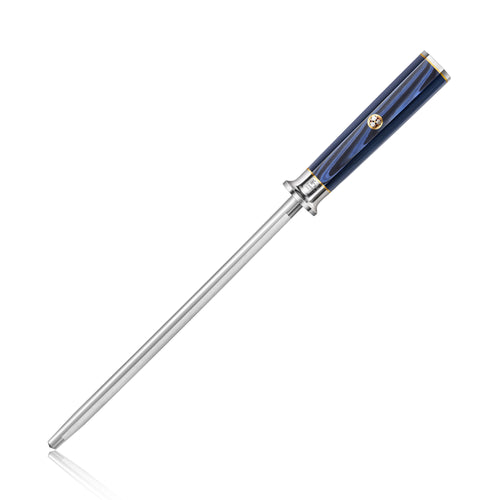
Always identify the grain before making your first cut. Use a sharp knife and keep it maintained with regular honing. Slicing at a slight angle to the board, rather than perfectly straight down, can improve both the presentation and the texture of each slice. Practice with cuts that have a visible grain like flank or skirt steak, where the feedback is immediate and unmistakable. Over time, checking grain direction will become second nature before every cut.
When Cutting Direction Matters Most
Cutting direction has the greatest impact on tough, fibrous cuts. Flank steak, skirt steak, brisket, and hanger steak are all cuts where slicing against the grain is not optional if you want a pleasant result. These cuts are flavorful but dense with muscle fibers, and proper slicing is the primary tool for making them tender.
For naturally tender cuts like filet mignon or tenderloin, the impact is less dramatic because the muscle fibers are shorter and more loosely organized to begin with. That said, slicing against the grain never hurts, and developing consistent technique across all cuts is always worthwhile.
Pros and Cons of Cutting Against the Grain
Pros
- More tender meat
- Better texture and mouthfeel
- Cleaner presentation on the plate
Cons
- Requires a moment of attention before slicing
- Slight learning curve for beginners identifying grain
Frequently Asked Questions
Connective tissue is the collagen-rich material that surrounds and binds muscle fibers together. In tougher cuts, it contributes to chewiness, especially when the meat is cooked quickly at high heat. Slicing against the grain does not eliminate connective tissue, but it shortens the length of each fiber bundle you are eating, which reduces the overall resistance in the bite. Slow cooking methods like braising break down connective tissue more thoroughly, and pairing that with proper grain-aware slicing gives you the most tender result possible.
Long muscle fibers run the full length of a cut and require more chewing effort to break down. When you slice parallel to those fibers, you preserve their full length in each bite. Cutting perpendicular to them divides those long fibers into much shorter segments, making the meat easier to chew even without any change in cooking method or seasoning.
The cutting board itself does not change the grain-cutting technique, but it does affect your results. A stable, non-slip board gives you better control over each slice. Wood and plastic boards are both common choices. Wood is generally gentler on knife edges and provides good grip. Whatever material you use, make sure the board is large enough to give you full range of motion across the cut, especially for larger pieces like brisket or a whole roast.
Hanger steak has a very pronounced grain that runs diagonally, so it helps to rotate the steak slightly before slicing to ensure your knife is truly crossing the fibers at a right angle. Filet mignon, being a naturally tender cut, has a less dramatic grain, but the same principle applies. Look for the subtle fiber direction and slice across it. For hanger steak especially, this step is essential to a good result.
This happens most commonly in brisket, which is made up of two muscles, the flat and the point, that are oriented differently from one another. As you work through the cut, the grain direction can shift. The best practice is to periodically pause, reexamine the surface, and reorient your slicing angle to match the new grain direction. Rushing through without checking can result in some slices being tender and others unexpectedly tough.
Meat grain is the broad term for the direction of muscle fibers in any cut of meat, including poultry, pork, and beef. The grain of a steak specifically refers to this same fiber direction as it applies to a beef steak. The concept is identical. The term is simply applied more narrowly when discussing a specific cut. Whether someone refers to the grain of a steak or the grain of the meat, they are describing the same characteristic and the same technique applies: find the direction of the fibers and slice across them.
A sharp slicing or carving knife makes all the difference when cutting meat against the grain. Browse Cangshan's full collection of slicing and carving knives, designed for precision, balance, and clean results every time.