





































How to Dice a Shallot (Step-by-Step Guide for Perfect Shallot Diced Cuts)
If you have ever stood at the cutting board staring at a shallot and wondering where to begin, you are not alone. Learning how to dice a shallot is one of those foundational knife skills that quietly improves everything you cook. Shallots show up in soups, vinaigrettes, pan sauces, and braises, and when they are cut evenly, they cook at the same rate and distribute their flavor more consistently throughout the dish.
This guide covers how to dice a shallot step by step, explains the difference between dicing and mincing, and walks you through the tools and techniques that make the process clean, safe, and precise.
What Is a Shallot and Why Proper Cutting Matters?
A shallot is a member of the allium family, closely related to onions and garlic. Unlike a standard yellow onion, shallots grow in clusters of smaller bulbs, each surrounded by papery skin and made up of tightly packed layers. Their flavor is more delicate than a yellow or sweet onion, with a subtle sweetness and a mild garlicky undertone that mellows beautifully when cooked.
Because shallots are small and layered, the way you cut them matters. Uneven pieces cook at different rates, leaving some bits caramelized while others are still raw. When you cut shallots with intention and consistency, you get uniform flavor distribution, better texture, and a more polished result in the finished recipe.
Tools You Need to Dice Shallots Properly
You do not need a lot of equipment to dice a shallot well, but the right tools make a real difference.
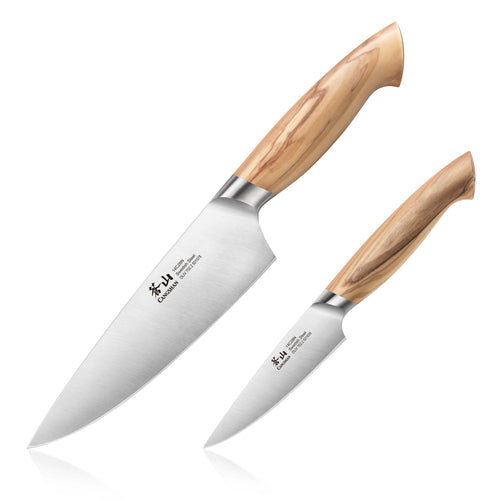
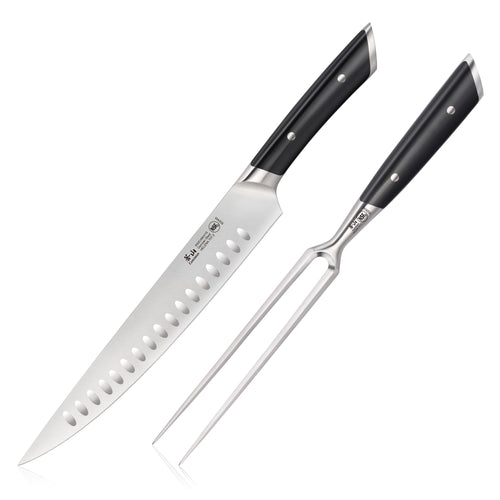
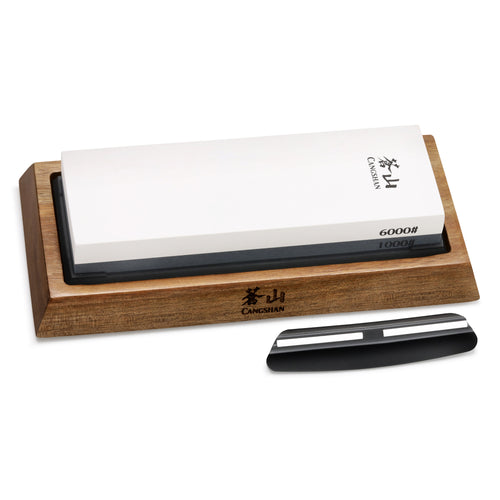
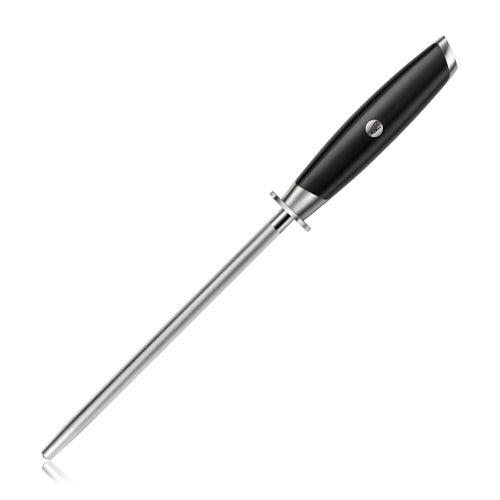
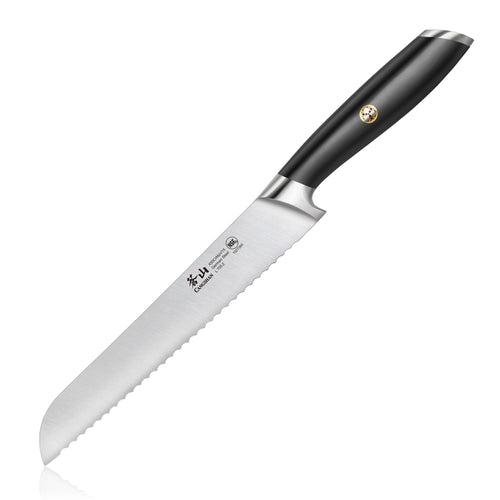
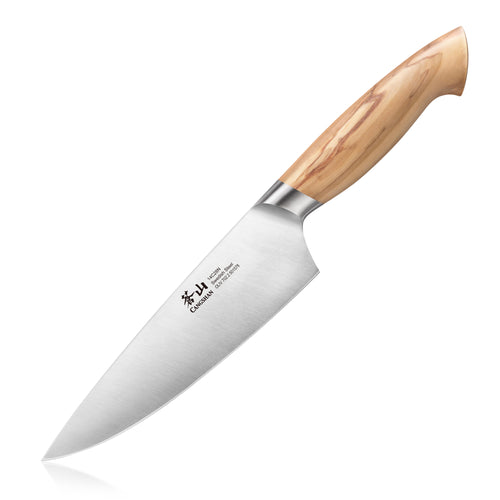
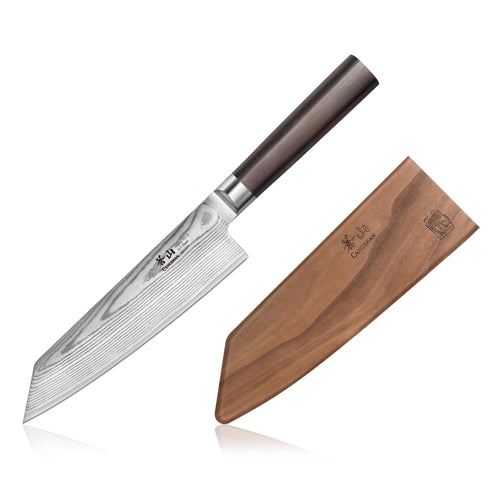
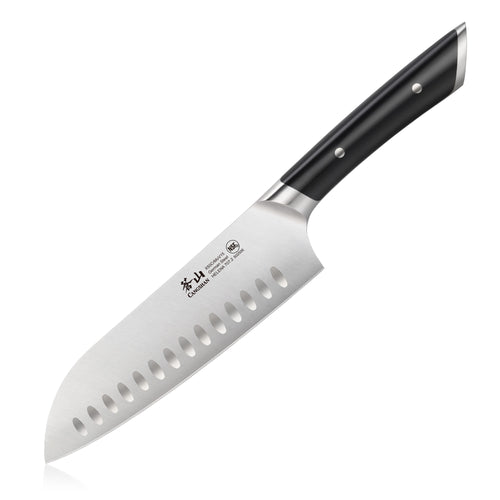
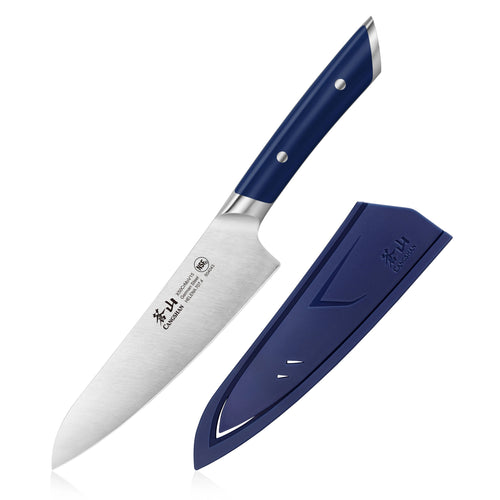
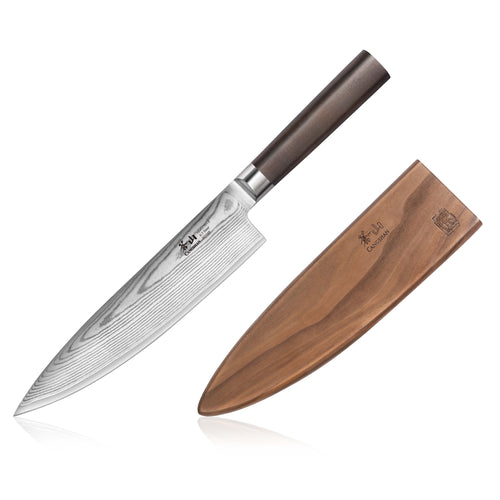
A sharp chef's knife is the single most important tool. A dull blade crushes rather than slices, which damages the cell structure of the shallot and releases more of the compounds that make your eyes water. A sharp knife moves through cleanly, giving you better cuts with less effort and more control.
A stable cutting board is equally important. A board that slides around is a safety hazard. If yours tends to shift, place a damp kitchen towel underneath to hold it in place.
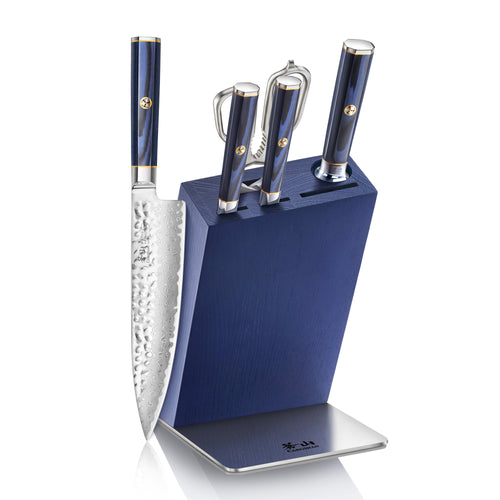
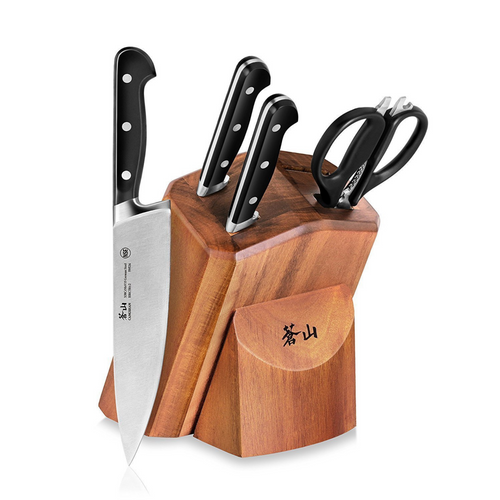
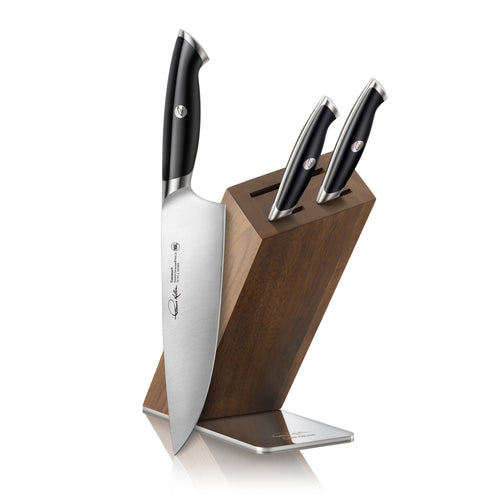
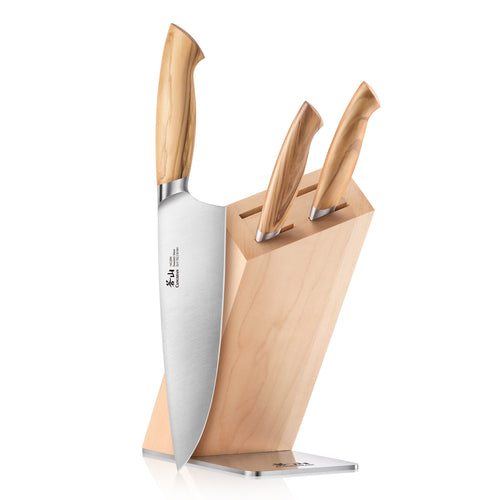
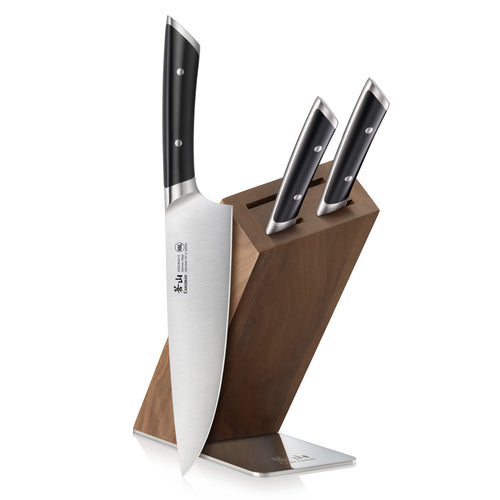
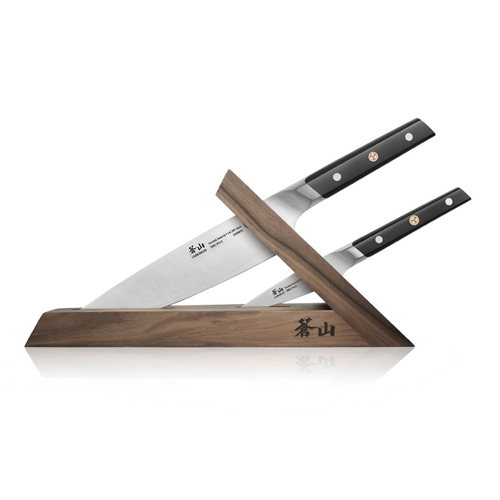
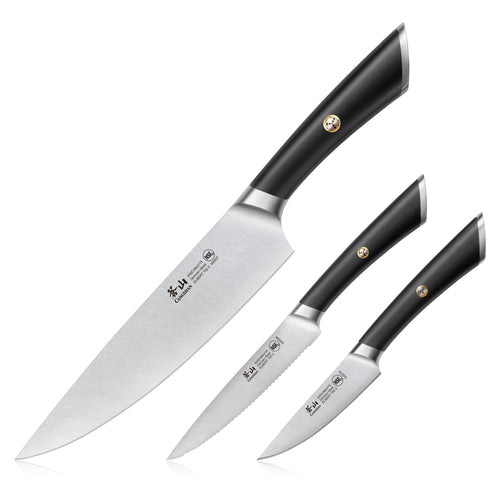
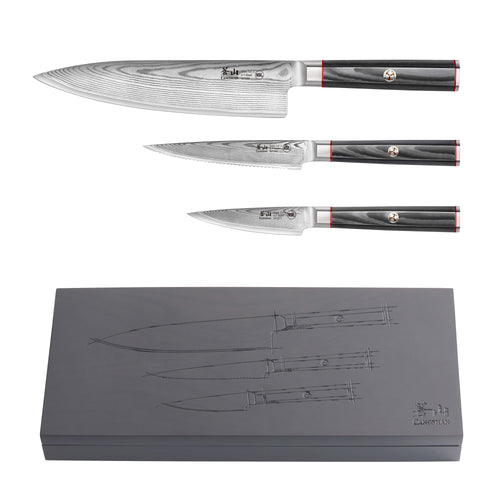
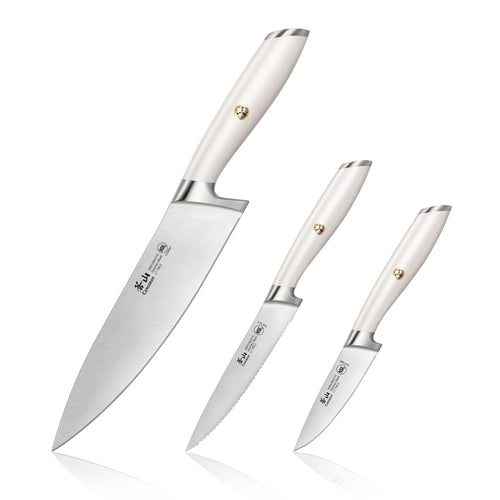
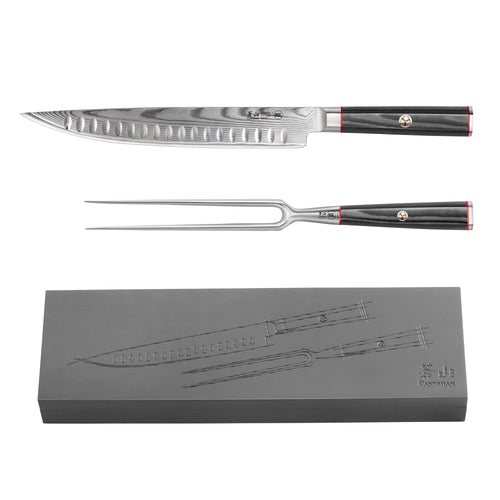
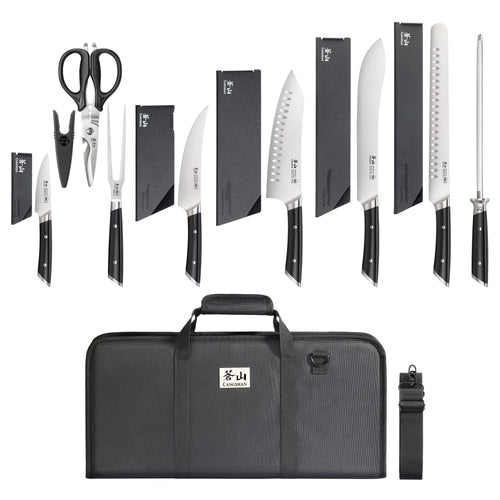
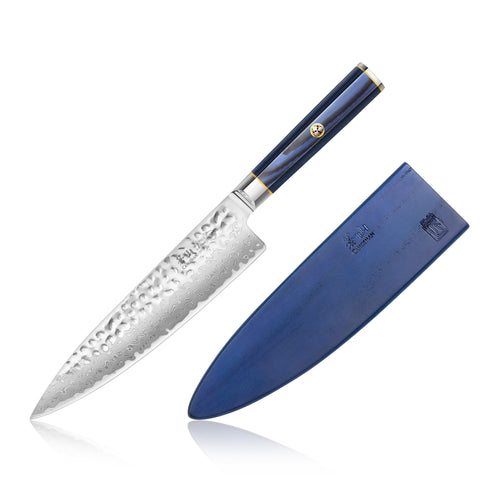
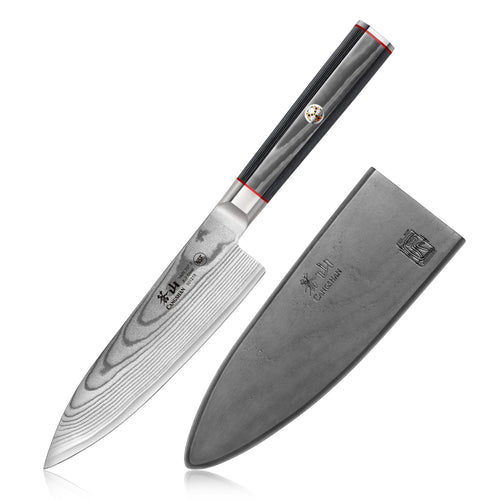
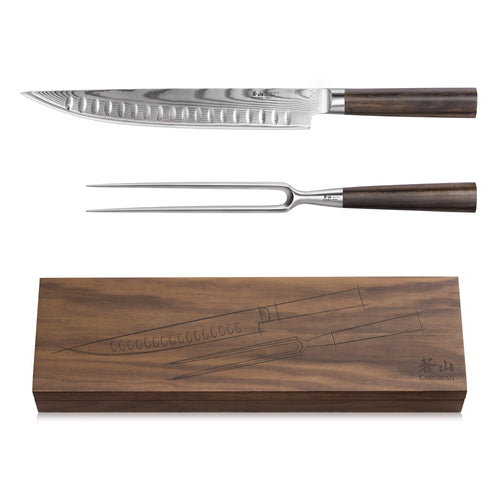
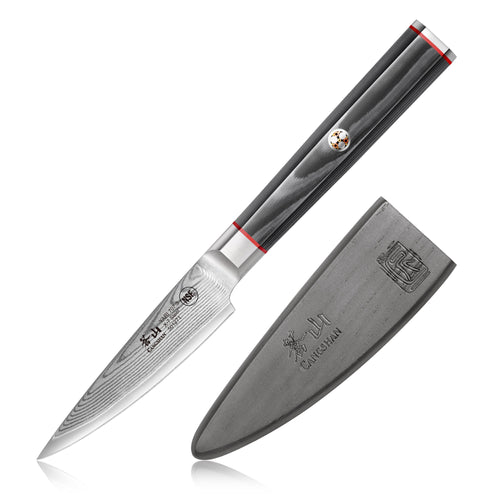
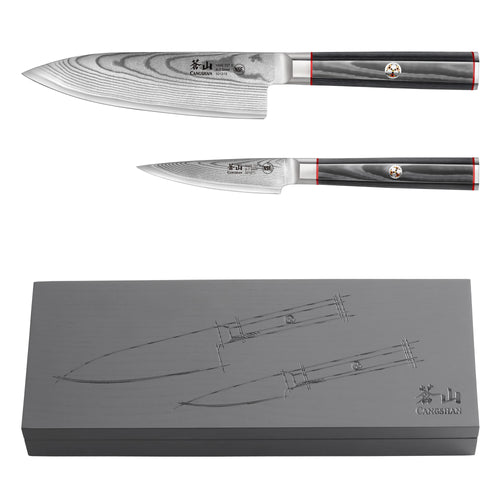
YARI Series 3-Piece Starter Knife Set
Forged from X-7 Damascus steel with a razor-sharp edge and exceptional balance, this set includes an 8-inch chef's knife built for precision prep work like dicing shallots cleanly and confidently.
Shop the SetStep-by-Step: How to Dice a Shallot Properly
Peel and Prep the Shallot
Pull away the papery outer skin and remove any tough or discolored outer layers. Trim the stem end (the pointed top) with a clean cut, but leave the root end intact. That small, hairy base holds the layers together while you work, which keeps everything from falling apart mid-cut.
Cut the Shallot in Half Lengthwise
Place the shallot on the cutting board and slice it from stem to root, cutting straight through the center. You now have two flat-sided halves that sit stable on the board without rolling. This is the foundation of a controlled, safe dice.
Make Vertical Cuts
Hold the shallot half firmly with your fingers curled in a claw grip, keeping your fingertips back from the blade. Make a series of evenly spaced vertical cuts from the stem end toward the root, stopping just before you reach it. The closer your cuts, the smaller your final dice will be.
Make Horizontal Cuts (Optional for Fine Dice)
For a finer, more uniform dice, hold the shallot flat against the board and make one or two horizontal cuts parallel to the cutting board, again stopping before the root. This step is optional for a standard dice but worth doing if you want very small, precise pieces.
Crosswise Cuts to Create Diced Shallot
Now rotate the shallot 90 degrees and slice crosswise across all the cuts you have already made. Work at a consistent thickness. As the knife moves through, small, even cubes will fall away from the shallot. This is where your knife skills and your earlier prep pay off.
Separate the Layers and Finish
Once you have made all your crosswise cuts, use your fingers or the side of the blade to gently separate any layers that are still clinging together. You should have a neat pile of evenly diced shallot, ready to cook.
How to Mince a Shallot vs Dice a Shallot
Dicing and mincing are related techniques, but they produce noticeably different results.
When you dice a shallot, you are creating small, defined cubes with consistent size. Diced shallot holds its shape during cooking, which makes it well suited to soups, stews, sauteed vegetables, and dishes where a little texture is desirable.
When you mince a shallot, you are taking those diced pieces and continuing to chop until the shallot breaks down into very fine, almost paste-like bits. After your crosswise cuts, gather the pieces into a pile and rock the knife over them repeatedly, occasionally using the flat of the blade to spread and re-gather until everything is uniformly fine.
Minced shallot is the right call for vinaigrettes, compound butters, and pan sauces where you want the shallot to dissolve into the dish rather than stand out as distinct pieces.
Comparison Table: Dice vs Mince vs Slice Shallots
| Cutting Method | Size | Technique | Best For |
|---|---|---|---|
| Dice Shallot | Medium cubes | Vertical + cross cuts | Soups, saute, cooking |
| Mince Shallot | Very fine | Repeated chopping | Dressings, sauces |
| Slice Shallot | Thin strips | Cut lengthwise or crosswise | Garnish, salads |
Common Mistakes When You Dice Shallots
Even experienced home cooks run into a few recurring issues with shallots. Here are the ones worth knowing before you start.
Cutting off the root end too early. The root holds everything together. Once it is gone, the layers separate and you are chasing pieces around the board. Leave it in place until the very end.
Using a dull knife. A blade that is not sharp enough will crush and tear rather than slice. This makes the cut harder to control and causes more of the aromatic compounds to release, which irritates your eyes more than a clean cut would.
Cutting unevenly. Inconsistent spacing between vertical cuts leads to pieces of different sizes, which means some will be overcooked and others undercooked by the time the dish is done.
Skipping the claw grip. Curling your fingers under while you hold the shallot keeps your fingertips well away from the blade. It is one of the most important safety habits in the kitchen.
Rushing through the layers. Shallots have papery inner layers that can resist the knife. Slow down on the crosswise cuts to keep the pieces clean.
Tips for Perfect Shallot Diced Cuts Every Time
Keep your knife sharp. A sharp blade requires less force and gives you more control over where the cut lands.
Use the claw grip every time. Curl your fingers inward so your knuckles guide the side of the blade.
Maintain consistent spacing between cuts. Evenly spaced cuts produce evenly sized pieces, which is the whole point.
Chill the shallot for 15 to 20 minutes before cutting if you are sensitive to the vapors. Cold temperatures slow the release of irritating compounds.
Practice on a few shallots back to back. Knife skills are physical, and improvement comes quickly once you get the mechanics right.
How to Store and Freeze Diced Shallot
If you dice more than you need, store the leftovers in an airtight container in the refrigerator. They will keep well for up to five days, though the flavor is at its best within the first two.
For longer storage, spread the diced shallot in a single layer on a parchment-lined sheet pan and freeze until solid, then transfer to a freezer-safe bag or container. Frozen diced shallot works well in cooked applications like soups and sauces, though the texture after thawing is too soft for raw uses like salads.
Best Recipes That Use Diced Shallots
Once you have the technique down, you will find yourself reaching for shallots regularly. They are particularly good in French onion soup, where their sweetness deepens beautifully with a long, slow cook. They work well in pan sauces, especially alongside wine and butter, and in vinaigrettes where they add body and a mild bite. Diced shallots are also a natural addition to stuffings, rice pilafs, braised greens, and anywhere a little aromatic depth is welcome without the sharpness of a full onion.
Frequently Asked Questions
How do you dice a shallot step by step?
Peel the shallot and trim the stem end, leaving the root intact. Halve it lengthwise to create a flat, stable surface. Make vertical cuts toward the root, then optional horizontal cuts for a finer dice. Finally, slice crosswise to produce uniform pieces. Gently separate any layers that stick together and your diced shallot is ready.
What is the difference between diced and minced shallot?
Diced shallot consists of small cubes that hold their shape during cooking. Minced shallot is cut much finer, almost to a paste, through repeated chopping. Diced shallot works well in soups and sautes while minced shallot is better for sauces, dressings, and preparations where you want the shallot to blend in rather than stand out.
Can I use onions instead of shallots?
You can substitute onion for shallot in most recipes, but the flavor will be stronger and less nuanced. Yellow onions work best as a substitute. Use about half the amount of onion called for if you want to approximate the milder, sweeter quality of a shallot.
How do you cut shallots without crying?
A sharp knife helps considerably, since clean cuts release fewer irritating compounds than crushing or tearing. Chilling the shallot before cutting, working near an open window, or positioning a small fan to direct air away from your face all help. Some cooks find that wearing kitchen goggles is the most reliable solution for particularly potent batches.
What knife is best for dicing shallots?
A well-balanced 8-inch chef's knife is the go-to choice for most cooks. It offers enough length for confident crosswise cuts and enough precision for the vertical scoring that makes the dice possible. The key is sharpness. A sharp chef's knife on a stable cutting board gives you the control and safety you need to dice shallots cleanly and consistently.